

The Complete Guide to Dating Safely in the UK
Dating safely in the UK does not mean treating every new match with suspicion. It means keeping control while trust develops.
Protect your privacy, notice patterns, meet carefully and let somebody earn greater access to your life over time.
Protect Your Privacy From the Start
Your profile should show personality without giving strangers unnecessary access to your private life.
Avoid sharing your exact address, detailed routine, financial information or anything that identifies where you regularly spend time.
Check photographs too. House numbers, workplace badges, vehicle registrations and letters can reveal more than you intended.
Our guide to creating a dating profile that represents you explains how to share enough without oversharing.
Protect your account as carefully as your profile. Use a strong password that you do not reuse elsewhere.
Never share passwords, login codes or security details with somebody you are dating.
Show people your personality first. Let access to your private life come later.
Let Trust Grow Through Conversation
There is no prize for turning a match into a relationship quickly. Give yourself time to learn how somebody communicates.
Notice whether their stories remain consistent and whether conversation feels balanced. Trust should become easier as you know them better.
If you need help moving beyond basic messages, read our guide to starting a natural dating conversation.
You may eventually exchange numbers or move to another messaging service. You do not have to do that immediately.
A reasonable response is:
“I’d rather keep chatting here for a little longer, if that’s okay.”
Pay attention to the response. A respectful person should be able to accept a simple boundary.
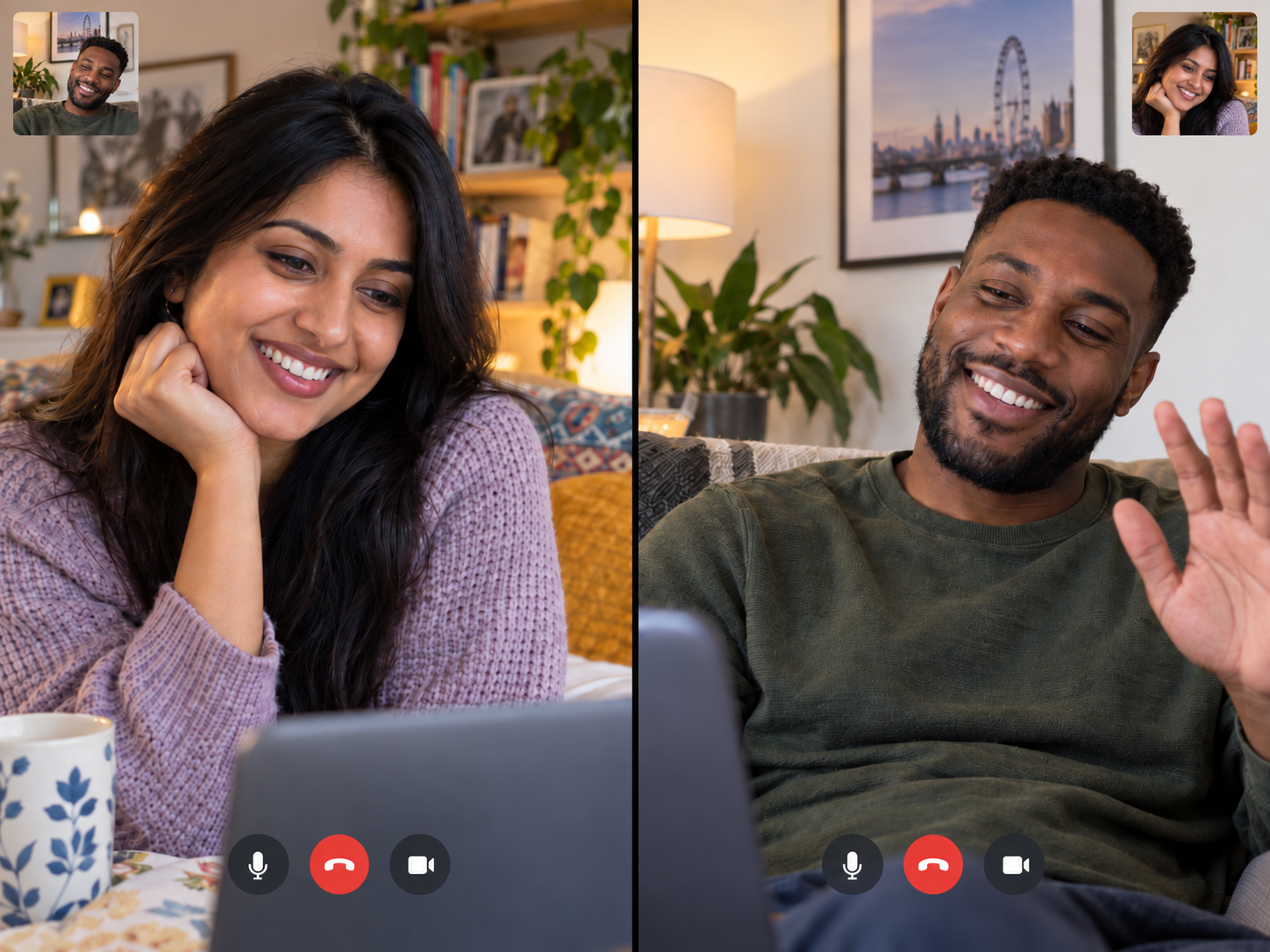
Use Voice or Video If It Helps
A short voice or video call can make a first meeting feel less unfamiliar.
It can also help confirm that photographs and basic details appear consistent.
However, disliking video calls does not automatically mean somebody is dishonest.
Concern becomes more reasonable when avoidance appears alongside changing stories, inconsistent photographs or repeated excuses.
Look for Warning Patterns, Not Perfection
People get nervous, misunderstand messages and sometimes make awkward jokes. One uncomfortable moment does not always mean danger.
Repeated behaviour matters more. Take extra care when you notice several of these patterns:
- Important parts of their story keep changing
- Emotional intensity becomes extreme very quickly
- Reasonable boundaries cause repeated arguments
- Simple questions trigger anger or hostility
- You feel pressured to move faster than you want
- The connection becomes more confusing over time
Our guide to online dating red flags explains these patterns in more detail.
Look for patterns, not perfection.
Keep Romance and Money Separate
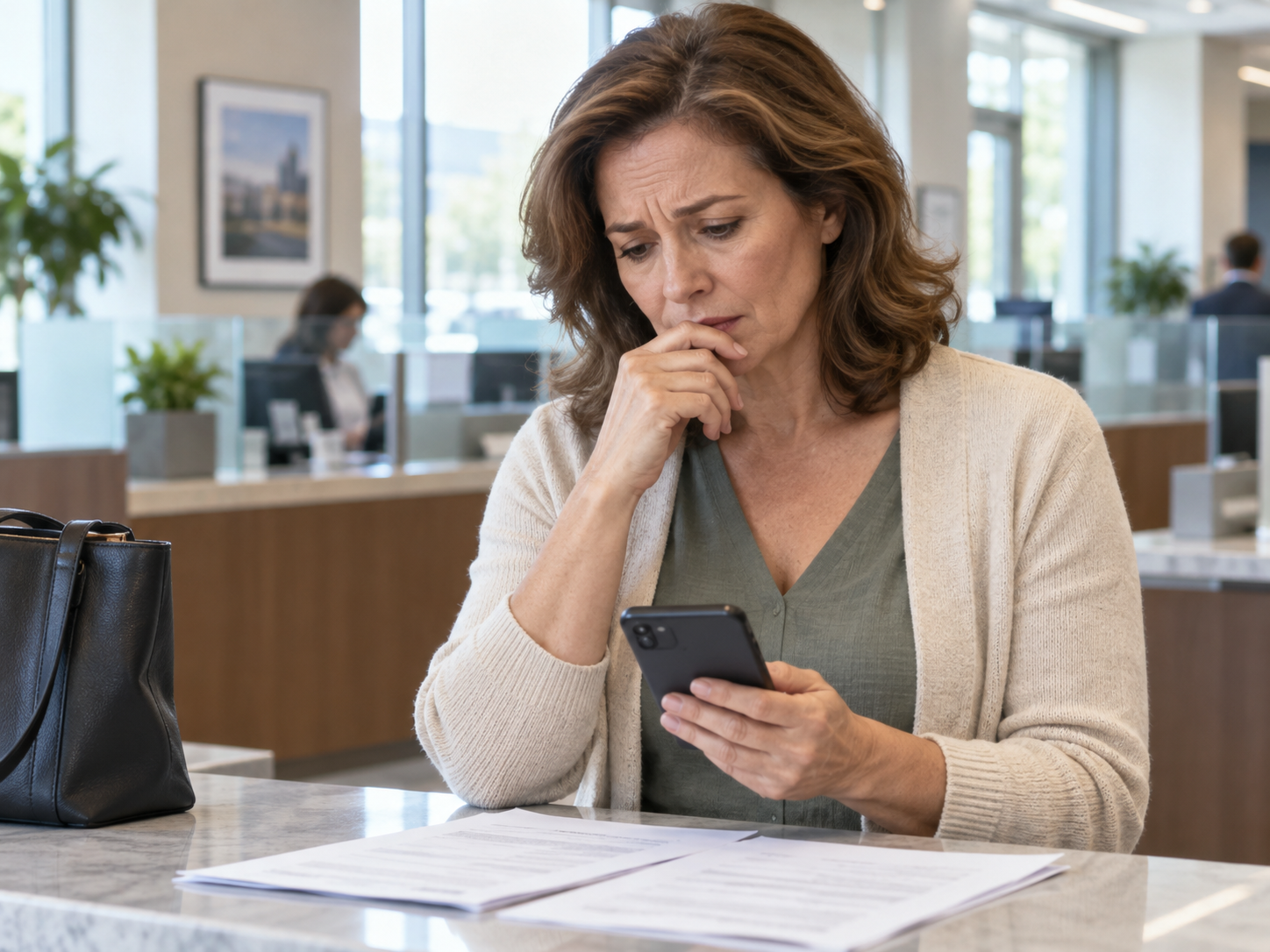
Money can change an online dating situation very quickly. Romance fraud may begin with weeks of ordinary conversation.
A sudden crisis may then involve travel, medical costs, business problems or money that is supposedly inaccessible.
Other approaches look like opportunities. Somebody may encourage you to invest, trade or move money because they promise a profit.
Do not send money, buy gift cards or transfer funds because somebody you met through dating asks you.
Never allow your bank account to move money for another person.
Read our guide to spotting romance scams and fake dating profiles for more warning signs.
Affection should never require a financial transaction.
If somebody asks for money, stop before doing anything.
Urgency makes decisions harder. Speak to somebody you trust and check the story independently before taking action.
Think Carefully Before Sharing Intimate Images
Flirtation may become part of dating, but you control what you share.
Once an intimate image leaves your device, you may lose control over where it is stored or copied.
Repeated requests after you refuse are not respectful. Guilt, pressure or demands for proof should also concern you.
If somebody threatens you with intimate material, preserve useful evidence and seek appropriate help.
Sending more images or money does not guarantee that the threats will stop.

Make the First Meeting Public and Easy to Leave
Choose a public place for your first meeting. Cafés, pubs, restaurants, museums and busy attractions can all work well.
Public surroundings often make conversation easier. They also allow either person to leave without unnecessary pressure.
Avoid making somebody’s home your first meeting place. Private dates can come later if trust develops.
Our first date safety guide covers planning that first meeting in more detail.
Tell a friend or relative who you are meeting and where you expect to be.
Arrange your own journey whenever practical. Keep enough phone charge and know an alternative way home.
Being able to leave independently gives you more control over the date.
Your Boundaries Still Apply on a Great Date
A good date does not remove your right to change your mind.
You can agree to another drink without agreeing to go somewhere else afterwards.
A kiss does not create an obligation to do anything more.
If alcohol is involved, stay within a level that feels comfortable for you.
Keep track of your drink. Replace it if you lose sight of it and feel uncertain.
Someone may feel disappointed by a boundary. They should still respect your decision.
You do not prove trust by surrendering a boundary.
If You Feel Unsafe, Prioritise Leaving
Most unsuccessful dates are simply two people discovering that the connection is not right.
Occasionally, somebody may become aggressive, threatening, controlling or repeatedly disrespectful.
If that happens, move towards other people and leave if you can.
Speak to venue staff or contact somebody you trust. Use emergency services when there is immediate danger.
You do not owe somebody more time because they travelled, paid or expected the date to continue.
Trust Should Keep Developing After the First Date
A great first meeting is encouraging, but it does not mean you know somebody deeply.
Continue sharing personal information gradually. Notice whether their words and behaviour remain consistent over time.
Do not dismiss later concerns simply because the first few dates went well.
A promising relationship does not become weaker because you allow trust to grow slowly.
Use Block and Report Tools When Needed
You do not have to keep communicating with somebody who becomes abusive, threatening or repeatedly ignores your boundaries.
Blocking can stop direct contact. Reporting gives the platform an opportunity to investigate behaviour linked to the account.
Keep screenshots or other useful evidence when it is safe to do so.
Some situations need help beyond a dating platform. Fraud, stalking, threats and intimate-image abuse may require outside support.
If money has already been transferred, contact your bank or payment provider promptly.
Use emergency services if somebody is in immediate danger.
Remember That You Are Choosing Too
Good safety advice should make dating more confident, not more frightening.
Once sensible precautions are in place, you do not need to investigate every person sitting opposite you.
Instead, ask yourself:
- Did I feel comfortable?
- Did they listen?
- Could I be myself?
- Were my decisions respected?
- Did I enjoy their company?
Our guide to green flags worth looking for explores consistency, mutual effort and respectful behaviour.
The question is not only whether they like you. Ask whether you genuinely want to see them again.
Stay Open, but Let Trust Earn Its Way Forward
Dating safety is about keeping important decisions in your hands while a connection develops.
Protect your privacy, notice patterns and respect your boundaries. Use block or report tools when behaviour becomes concerning.
Then allow yourself to enjoy meeting somebody new and discovering whether the two of you genuinely click.