

How to Spot a Fake Dating Profile: Signs to Check
Learning how to spot a fake dating profile means looking for patterns, not one unusual detail.
Photographs, conversation and basic facts should gradually describe the same person.
If several things repeatedly fail to fit together, slow down and give trust more time.
What Makes a Dating Profile Fake?
A fake profile goes beyond somebody using an old photograph or exaggerating a detail.
Someone may use another person’s photographs, a false name or invented personal information.
The aim might be attention, deception, fraud, blackmail or hiding their real identity.
The key question is whether the person behind the profile is genuinely who they claim to be.
Look at the Whole Profile, Not One Detail
A short bio does not automatically mean somebody is fake.
Neither does an unusually attractive photograph or an impressive job.
Instead, ask whether the profile gives you a believable sense of a real person.
Once conversation begins, notice whether they can naturally explain the life they present.

Check Whether the Photographs Fit Together
Look across all their photographs rather than judging the main picture alone.
- Do the photographs show the same person?
- Does their apparent age stay reasonably consistent?
- Do the pictures broadly fit the lifestyle described?
- Do the locations make sense alongside the profile?
Different hairstyles, weight changes and older photographs are normal.
Several images that appear completely unrelated deserve more caution.
Ask Ordinary Questions About Their Own Story
You do not need to interrogate somebody to see whether their story makes sense.
If they mention hiking, ask where they usually go.
If they talk about Italy, ask which part they enjoyed most.
Be more cautious when simple questions repeatedly produce vague, contradictory or evasive answers.
Our guide to starting a natural dating conversation can help keep those exchanges relaxed.

Basic Facts Should Stay Consistent
Pay attention to details that should be reasonably straightforward.
- Where do they live?
- What do they do?
- How old are they?
- Are they single?
- How long have they lived there?
Nobody remembers every message perfectly.
Repeated changes around age, work, location or relationship status deserve more attention.
Slow the conversation down and let them clarify their own story.
Attention Does Not Always Mean You Know Them
Frequent messages can create the feeling that you know somebody very well.
But constant attention can still reveal surprisingly little about the person giving it.
Healthy conversation moves both ways.
You should gradually learn about their routines, opinions, experiences and personality too.
Notice Repeated Communication Inconsistencies
One strange message means very little.
Repeated changes matter more when other details already feel inconsistent.
They may forget recent conversations, use your wrong name or suddenly write very differently.
None of these details proves a fake profile alone.
The wider pattern matters.
Voice or Video Can Add Reassurance
A voice or video call can help connect the profile to a real person.
Not everyone enjoys video calls, so reluctance alone is not proof of deception.
Concern grows when calls never happen and meetings are repeatedly postponed.
One excuse is normal life.
A permanent inability to interact live deserves more caution.
If you later meet, our first date safety guide explains how to keep that meeting comfortable.
Moving Off the Dating Site Should Not Feel Pressured
Exchanging numbers or moving to another messaging service is normal.
The important issue is whether somebody pushes harder than you feel comfortable with.
If you want to keep chatting on the dating site, say so.
Their reaction can reveal more than the original request.
Social Media Is Supporting Information, Not Proof
A social media account may feel reassuring, but it does not prove identity.
Genuine people can have almost no social media presence.
False identities can also have convincing accounts.
Use social media as one clue alongside profile details, photographs and real interaction.
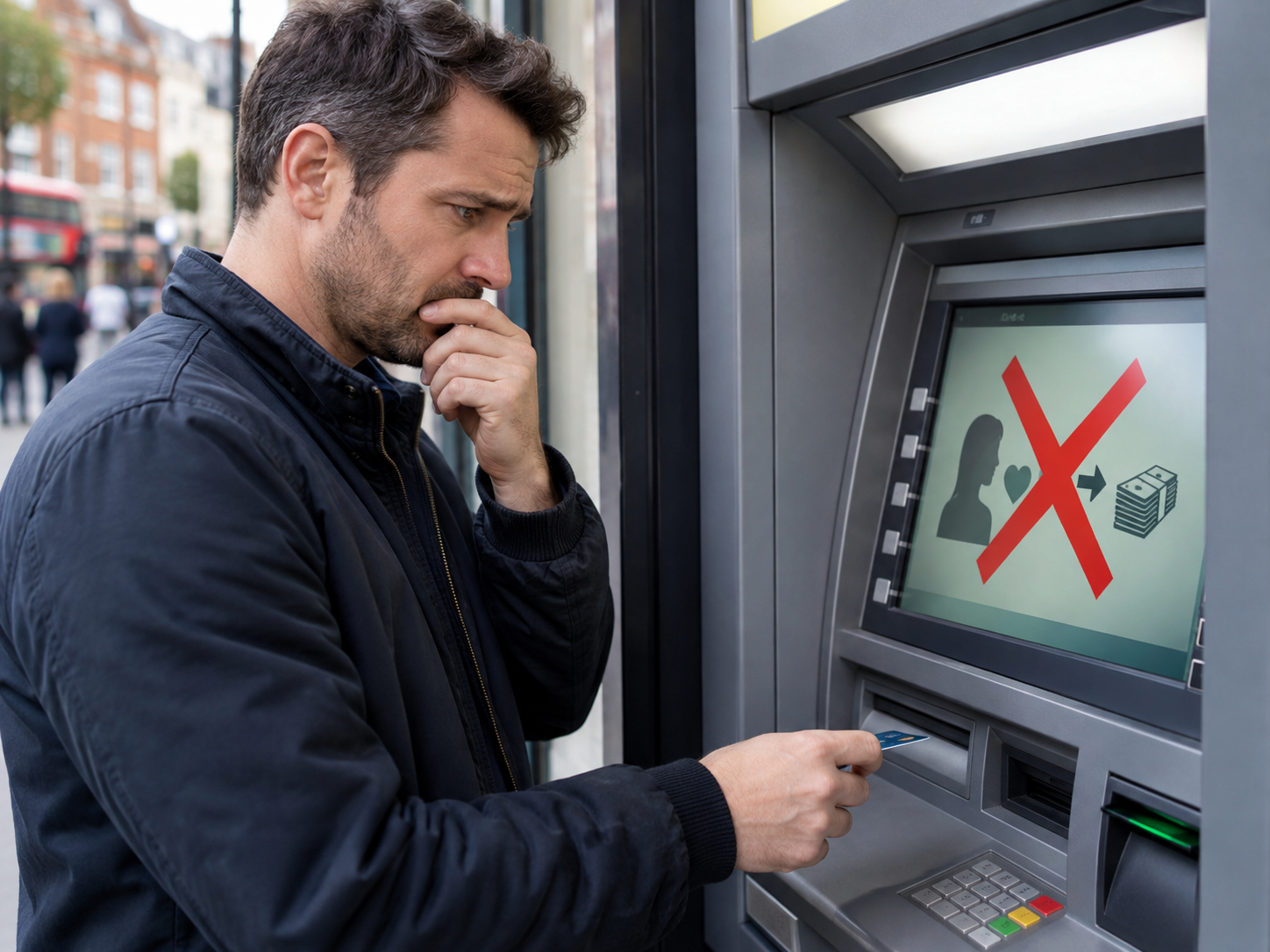
If Money Appears, Stop and Reassess
A fake profile does not always mean financial fraud.
However, money requests change the situation immediately.
Do not send money, gift cards, cryptocurrency or investment funds to somebody you only know online.
Do not let them use your bank account to receive or transfer money.
Our guide to romance scams and fake dating profiles explains these risks in more detail.
You do not need to prove who they are before deciding not to send money.
Do Not Turn One Clue Into an Investigation
Two photographs do not make an account fake.
Neither does being camera-shy, having little social media or replying slowly.
Look for several pieces of information that repeatedly fail to make sense together.
Our online dating red flags guide explains why patterns matter more than one imperfect moment.
Try the Five-Minute Profile Check
If something feels wrong, compare what you already know.
Profile → photographs → conversation → basic facts → normal interaction.
Then ask:
- Do the photographs appear to show the same person?
- Does conversation broadly match the profile?
- Do important facts remain consistent?
- Can ordinary questions be answered naturally?
- Does their identity become clearer over time?
If most pieces fit, one unusual detail may mean very little.
If several repeatedly contradict each other, allow trust to develop more slowly.
Report a Profile When You Have a Genuine Concern
Report accounts that appear to impersonate somebody or deliberately use false information.
Also report suspected fraud, abuse or other serious deception.
You do not need to confront the person first.
Keep useful screenshots or messages when doing so is safe.
Then block the account if needed and let the platform investigate.
Genuine People Usually Become Easier to Understand
Real people are not perfectly consistent machines.
They forget details, change jobs, take bad photographs and sometimes explain things poorly.
However, getting to know somebody genuine should usually make the overall picture clearer.
Their profile, conversation and behaviour should increasingly fit together.
That principle also sits behind our guide to dating safely in the UK.
Trust should grow because somebody’s identity and behaviour continue to make sense over time.