

Dating Safely Online: Practical Ways to Protect Yourself
Dating safely online means keeping control while you get to know somebody new.
Protect your personal information, let trust develop slowly and notice behaviour that gives you a reason to pause.
Share Enough to Connect, Not Enough to Expose Yourself
Early conversations should help you discover personality, interests and whether you enjoy talking together.
You can discuss work, hobbies, weekends and travel without sharing your exact address or detailed routine.
Keep financial information, passwords, security codes and identity documents private.
Photographs can reveal information too. Check backgrounds for house numbers, work badges, letters or anything personally identifying.
Our guide to protecting your privacy while dating online explains what is safer to keep private.
Learn about the person first. Give access to your private life later.
Let Trust Be Built, Not Announced
Somebody saying “trust me” does not create trust. Consistent behaviour does.
Notice whether their stories remain broadly consistent and whether normal questions receive normal answers.
One forgotten detail means very little. Repeated contradictions about age, location, work or relationship status deserve more attention.
If something feels unclear, ask a simple follow-up question instead of immediately assuming the worst.
Our guide to checking whether a dating profile is genuine covers common warning signs.
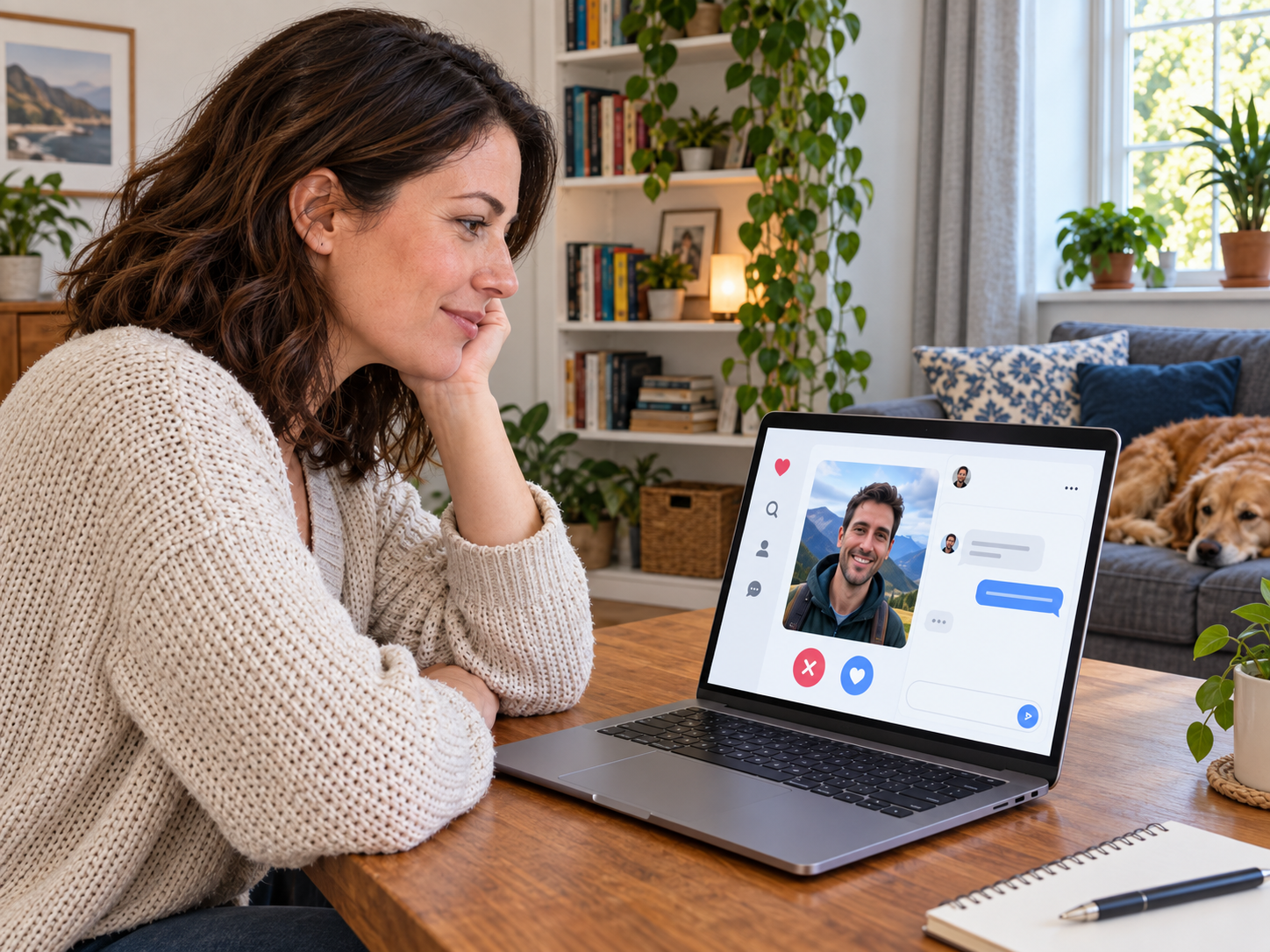
Stay on the Dating Platform Until You Feel Ready
Moving to telephone, WhatsApp or another service can be completely normal.
However, you do not need to move away from the platform before you feel comfortable.
You can simply say:
“I’d rather keep chatting here for a little longer, if that’s okay.”
Pay attention to how they respond. A respectful person should accept a reasonable boundary without repeatedly pushing.
Use Voice or Video If It Helps
A voice or video call can make a future meeting feel less unfamiliar.
It can also help confirm that photographs and basic details appear consistent.
Not everybody enjoys video calls, so reluctance alone does not prove dishonesty.
Concern grows when avoidance appears alongside changing stories, suspicious photographs or repeated excuses.
Notice Pressure, Not Just Chemistry
Strong attraction can develop quickly, and excitement is part of dating.
Be more cautious when intense promises appear before you know each other properly.
Talking about love or a shared future early may simply mean enthusiasm.
The problem begins when that intensity pressures you to share, pay, meet or commit faster than you want.
Our guide to online dating red flags explains which patterns deserve closer attention.
A promising connection does not become less promising because you give it time.
Keep Money Out of a New Online Relationship
Do not send money to somebody you only know through online dating.
The request may involve travel, medical costs, business problems, gift cards, cryptocurrency or an urgent emergency.
Do not let somebody use your bank account to receive or transfer money either.
If money enters the conversation, separate the financial decision from your feelings about the person.
Our guide to recognising romance scams and fake dating profiles explains common tactics.
Affection should never require a financial transaction.

Think Carefully Before Sharing Intimate Images
Flirting can be part of dating. Pressure should not be.
Once an intimate image leaves your device, you may lose control over where it is stored.
Repeated requests after you refuse are a warning sign.
So are guilt, threats or claims that sending an image will prove your feelings.
If somebody threatens to share intimate material, keep useful evidence and seek appropriate help.
Sending more images or money does not guarantee that the threat will stop.
Pay Attention to How Somebody Responds to “No”
Boundaries reveal useful information about a new connection.
Someone may ask for your number, another photograph or more time than you want to give.
The important part is what happens when you decline.
Respectful people may feel disappointed, but they should not pressure, insult or repeatedly challenge your decision.
Someone who respects you should not need to wear down your boundaries.
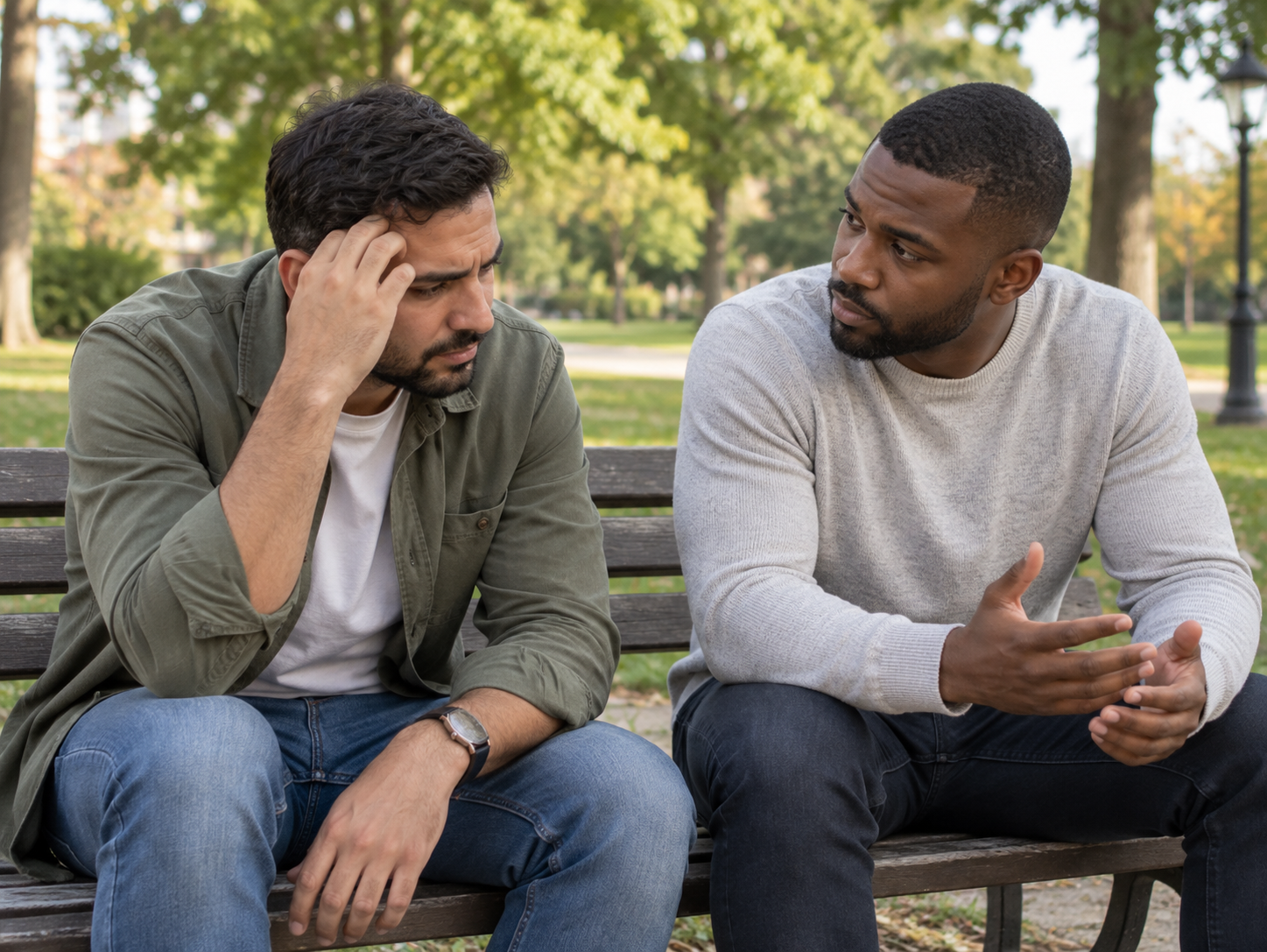
Talk to Somebody You Trust When Things Feel Confusing
Emotional involvement can make situations harder to judge from the inside.
If something worries you, explain what happened to a trusted friend or relative.
Saying the situation aloud can make contradictions or pressure easier to recognise.
Be especially cautious if somebody discourages you from discussing the relationship with people close to you.
Block and Report When Conversation Crosses the Line
Matching with somebody does not create an obligation to keep talking.
Block members who become abusive, threatening or repeatedly ignore requests to stop contacting you.
Reporting allows the platform to investigate behaviour linked to an account.
Keep relevant messages or screenshots first when doing so is safe.
JustClicked’s Community Guidelines explain the behaviour expected from members.
Know When You Need Help Beyond the Dating Platform
A dating platform can investigate an account, but some situations need outside support.
Fraud, stalking, threats, harassment or intimate-image abuse may need reporting to appropriate UK services.
If money was transferred during suspected fraud, contact your bank or payment provider promptly.
If somebody is in immediate danger, contact the emergency services.
When You Feel Ready, Move Towards a Real Meeting
Dating safely online does not mean messaging forever because meeting feels risky.
Online conversation helps you decide whether somebody seems interesting and trustworthy enough to meet.
When interest is mutual, arrange a first meeting somewhere public.
Keep control of your transport and tell somebody you trust where you are going.
Our first date safety guide covers venues, transport, boundaries and practical planning.
Keep Safety Simple
Good online dating safety should make you more confident, not more suspicious.
Protect private information, notice patterns and keep money separate from new online relationships.
Use block and report tools when somebody crosses a line.
Then enjoy getting to know people and deciding who you genuinely want to meet.
Stay open to connection, but let trust earn its way forward.