

Dating After 50: Why Your Best Relationship Could Still Be Ahead
Dating after 50 can feel very different from dating earlier in life. You may have adult children, a home, established friendships, family responsibilities or years of relationship experience behind you, but that does not mean the best part of your dating life has already happened.
In many ways, knowing yourself better can make dating clearer. The aim is not to start your life again or become a younger version of yourself. It is to meet somebody who adds something genuinely good to the life you have now.
Decide What You Actually Want Now
A relationship in your 50s does not have to follow the same pattern you imagined in your 20s. You might want a committed partner while keeping separate homes, someone to travel with, a future marriage or simply companionship that makes ordinary weekends more enjoyable.
Before you start judging profiles, think about the shape of relationship that would realistically suit you.
- How much independence do you want to keep?
- Would you ever want to live together?
- How important are travel and shared social plans?
- How often would you ideally see a partner?
- Are you looking for commitment, companionship or something more relaxed?
You do not need a fixed five-year plan. A little clarity simply helps you recognise when somebody wants something completely different.
You are not late to dating. You are dating from a different and often much clearer point in your life.
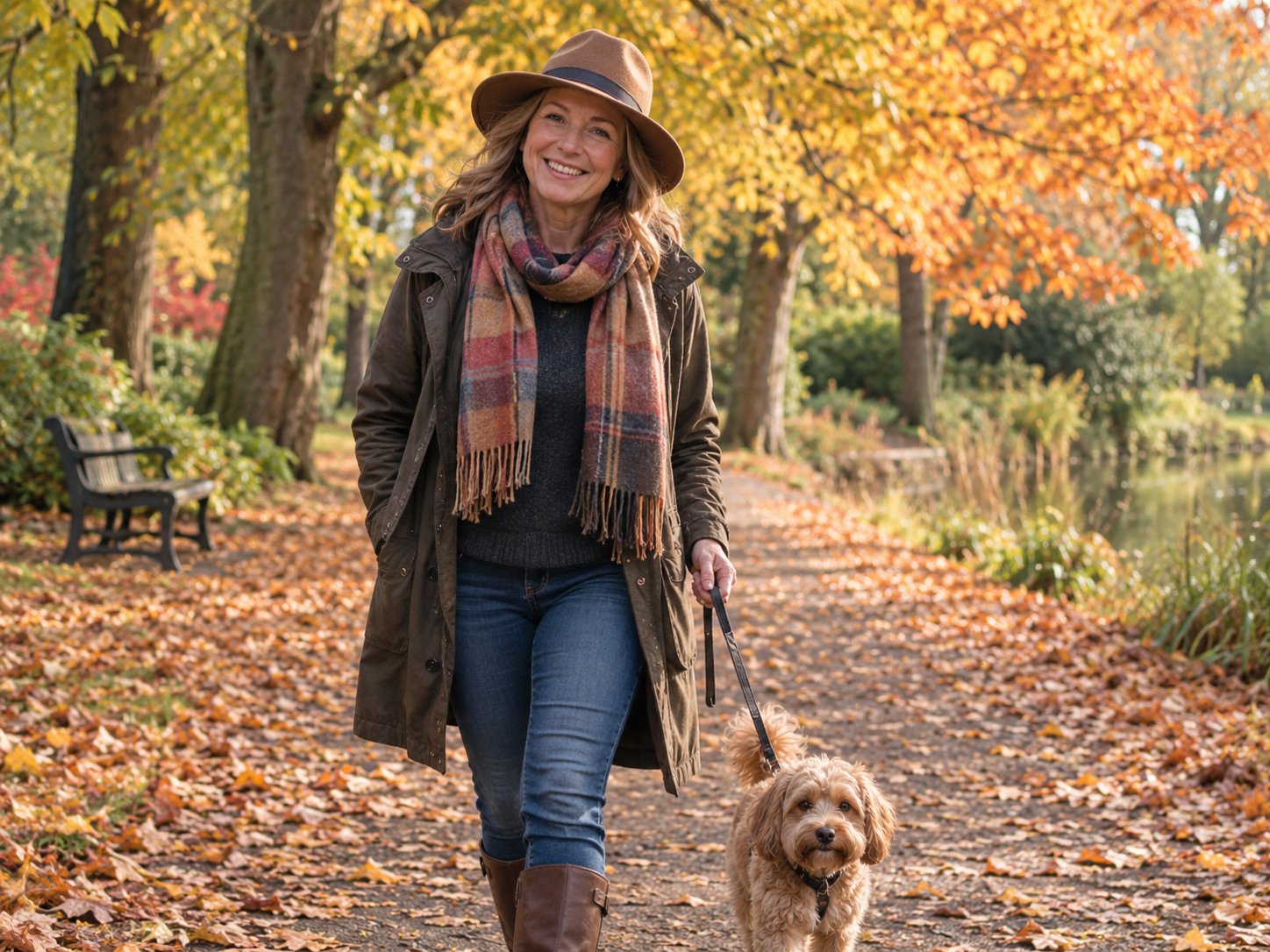
Make Your Profile About the Person You Are Today
Recent photographs matter. Choose pictures that look like you now and show something of your real life rather than relying on favourites from many years ago. A clear face, natural smile and a couple of photographs showing interests or everyday activities are more useful than trying to appear younger.
Your bio should work the same way. Mention what actually fills your weekends now: walking, theatre, gardening, live music, travel, cooking, sport, grandchildren or finding a good place for Sunday lunch. Specific details give somebody an easy way to start a conversation.
Our guide to creating a dating profile that represents who you are today covers photographs and profile information, while writing a dating bio that sounds natural can help with the words.
Your profile does not need to make you look younger. It needs to make you look like somebody worth knowing.
Expect People to Have a Past
By your 50s, previous marriages, long relationships, children, bereavement and major life changes are common. Having history is not the problem; what matters is whether somebody has enough emotional room in their present for a new relationship.
Notice how they talk about former partners. Someone can describe a difficult experience honestly without making every conversation about it. Repeated anger, constant comparisons or expecting you to repair damage caused by somebody else can be signs that the past is still taking up too much space.
You do not need somebody with a perfect history. You need somebody who is genuinely available now.
Keep Your Independence, But Make Room for Someone
One of the advantages of dating after 50 is that both people may already have full lives. You can keep friendships, hobbies, routines and time alone while still building something meaningful together.
The practical question is whether there is enough room for a relationship to grow. If somebody can only meet once every few weeks and rarely makes plans themselves, it may be difficult to build momentum no matter how good the messages are.
Start by finding the parts of your lives that naturally overlap. You can decide later whether that eventually means more shared time, travel, weekends together or even living under the same roof.

Let Family Introductions Happen at the Right Time
Adult children and grandchildren can still be a major part of life after 50, while some people may also be caring for elderly parents. Be open about these responsibilities because they affect time and availability, but do not feel pressured to introduce a new partner to everybody immediately.
Give the relationship time to establish itself first. Once you both feel that this person is likely to remain part of your life, introductions usually feel more natural and carry less pressure for everyone involved.
It also helps to remember that adult children may need time to adjust. You are allowed to build a new relationship without asking them to choose it for you, while still listening respectfully to genuine concerns.
Attraction Still Matters — It May Just Feel Different
Physical chemistry does not disappear at 50, although attraction may now include qualities you notice more quickly: warmth, humour, reliability, confidence, kindness and how relaxed you feel in somebody’s company.
Try not to compare every new connection with the intensity of a relationship from decades ago. Some good relationships begin with obvious sparks, while others grow because you increasingly enjoy the person’s company and feel comfortable being yourself around them.
Give a second date a chance when there is some attraction, good conversation and genuine curiosity. Do not, however, keep dating somebody because they look perfect on paper when you feel no desire to see them again.

Keep First Dates Simple
An expensive restaurant is not required to discover whether you click. Coffee, lunch, a relaxed drink or a walk in a busy public place gives you enough time to see whether conversation feels easy without committing the whole day.
Choose somewhere you can hear each other, arrange your own transport and tell somebody you trust where you are going. Keep the first meeting public even if you have been messaging for weeks.
Our guide to keeping a first coffee date relaxed has practical venue ideas, and our first date conversation starters can help if you are worried about awkward silences.
At the end of the date, ask yourself a simple question: Would I genuinely like another couple of hours with this person? That is often more useful than trying to decide whether they could become your next long-term partner after one meeting.
Talk About Important Practical Differences Before Too Long
If a relationship starts becoming serious, established lives bring real questions. Would either of you ever move? Do you want to combine homes or keep separate ones? How much time do you want together? Is frequent travel important? What family commitments are unlikely to change?
Money and property can also become relevant, particularly if either person owns a home, has children or expects to leave assets to family. These are not first-date topics, but they should not be ignored once you are discussing a shared future.
Do not rush to combine finances, lend large sums or change ownership arrangements because a new relationship feels exciting. Romance and sensible financial boundaries can exist at the same time.
Let Trust Build Through Behaviour
Online dating requires some openness, but trust should grow from consistent behaviour rather than being handed over immediately. Be cautious with anyone who avoids video calls or meeting, repeatedly changes their story, asks for money, creates sudden emergencies or tries to move the relationship forward unusually fast.
Keep your home address, financial details, passwords and sensitive personal information private until there is a genuine reason to share more. Our guide to protecting your privacy while dating online explains the practical basics, while recognising whether a dating profile is genuine covers warning signs to watch for.
The goal is not to approach everybody with suspicion. It is to give reliable behaviour enough time to prove itself.
Do Not Let Loneliness Choose for You
Wanting affection and companionship is completely normal, but loneliness can sometimes make inconsistent attention feel more valuable than it really is. Pay attention to how a relationship makes you feel over time rather than how relieved you are to have somebody messaging you.
If you regularly feel ignored, anxious, disrespected or uncertain where you stand, do not dismiss those feelings simply because starting again sounds exhausting. Someone being available is not the same as someone being right for you.
Wanting somebody in your life does not mean you need just anybody in your life.
Let the Relationship Take the Shape That Works for You
A serious relationship after 50 might mean marriage and a shared home, but it could just as easily mean separate homes, regular weekends together, travelling as a couple or gradually blending two families. There is no prize for following somebody else’s timetable.
Keep enough independence to remain yourself, while also being willing to make space for intimacy, compromise and shared plans. The best arrangement is the one that leaves both people feeling secure, valued and able to enjoy the relationship they are actually living.
Your next relationship does not have to resemble your last one. It only needs to work for the two people in it now.